
Emergency Lighting Services
Reliable emergency lighting is critical for safety, compliance, and smooth evacuation during power outages. We deliver end-to-end emergency lighting solutions designed to meet New Zealand standards and keep your building fully compliant.
- ✔ Smart, user-friendly systems
- ✔ Professional installation
- ✔ Future-ready technology
- ✔ Designed for your lifestyle
Design & Emergency Lighting Layouts
Every dependable system begins with accurate planning and design. We create professional layouts and schematic diagrams tailored to your building and compliance requirements.
- Illuminance Calculations
We ensure required lighting levels are achieved, including minimum 0.2 lux along escape routes and 1 lux in designated areas. - Optimised Spacing Design
Using certified spacing data, we position fittings to eliminate dark spots and ensure consistent coverage. - As-Built Documentation
Detailed electrical drawings and layouts are provided for site records and compliance with Fire Emergency NZ requirements.
Installation & System Upgrades
We install high-performance emergency lighting systems built for durability and compliance with New Zealand regulations.
Exit Sign Installation
Supply and installation of compliant “Running Man” LED exit signs in accordance with NZBC F8/AS1.
Emergency Lighting Systems
Strategic placement of luminaires including LED spitfires and battens to highlight critical areas such as stairways, level changes, and plant rooms.
LED Upgrades & Modernisation
Upgrade outdated systems to energy-efficient LED technology, reducing maintenance costs and improving reliability.
Regular testing and maintenance are essential to ensure your system performs when needed and meets legal requirements.
Maintenance & Compliance Testing
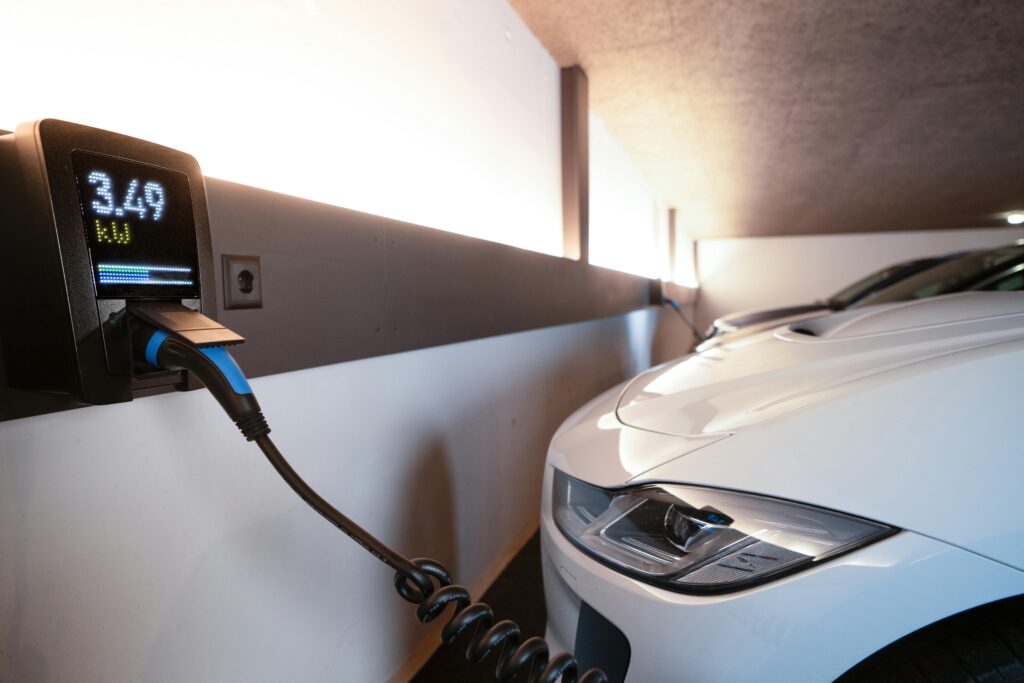
Scheduled Testing (6-Monthly & Annual)
Full 90-minute battery discharge testing to verify operational performance.
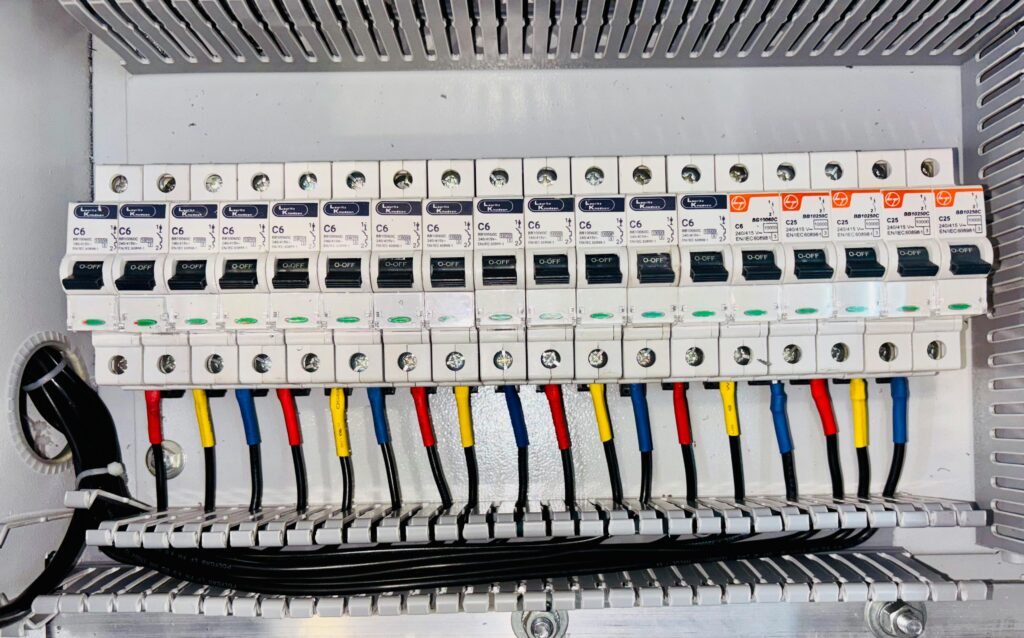
Logbook & Compliance Records
Accurate documentation of all inspections and tests for Building Warrant of Fitness (BWOF) and IQP verification.
System Inspections
Routine checks of batteries, lamps, diffusers, and fittings to prevent failures and extend system lifespan.
Why Choose Eco Power Electrical
Qualified NZ Electricians
All work is carried out by licensed professionals with industry expertise.
Health & Safety Compliance
Strict adherence to the Health and Safety at Work Act 2015.
IQP & Certification Support
Seamless coordination with Independent Qualified Persons (IQPs) to ensure smooth inspections and compliance approval.
Frequently Asked Questions - FAQs
Your trusted partner in delivering high-quality, sustainable electrical services. With over 5+ of experience, we specialize.
How often does emergency lighting need to be tested?
Emergency lighting systems must be tested every 6 months and annually in accordance with AS/NZS 2293.2. Annual testing includes a full 90-minute battery discharge to ensure the system operates correctly during an emergency.
What is the minimum lighting level required for emergency systems?
The standard requirement is a minimum of 0.2 lux along escape routes, with at least 1 lux in specific high-risk or essential areas such as stairways and changes in floor level.
Do I need to upgrade my existing emergency lighting to LED?
While not always mandatory, upgrading to LED is highly recommended. LED systems are more energy-efficient, require less maintenance, and provide improved reliability compared to older lighting technologies.
What happens if my emergency lighting system fails an inspection?
If your system fails, it must be repaired or upgraded promptly to meet compliance standards. Failure to do so may impact your Building Warrant of Fitness (BWOF) and overall building compliance.
What documentation is required for compliance?
You must maintain a logbook that records all testing, inspections, and maintenance activities. This documentation is reviewed by an Independent Qualified Person (IQP) during BWOF assessments.
Ready to Upgrade Your Home?
Turn your home into a smart, secure, and fully connected space designed around your lifestyle. Get a system that’s simple to use, reliable every day, and built for the future.